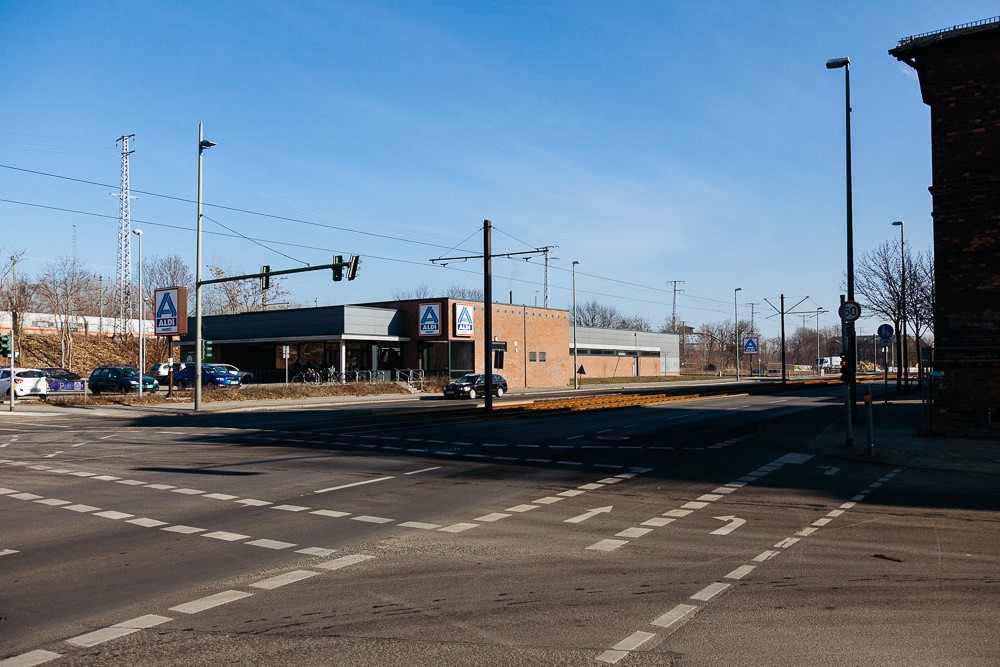
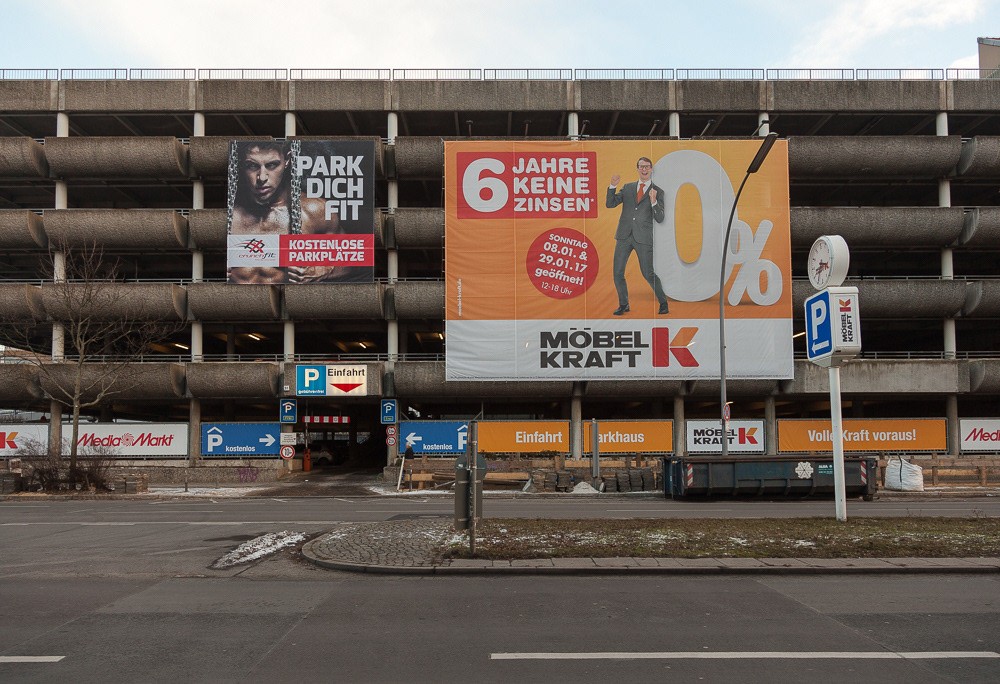
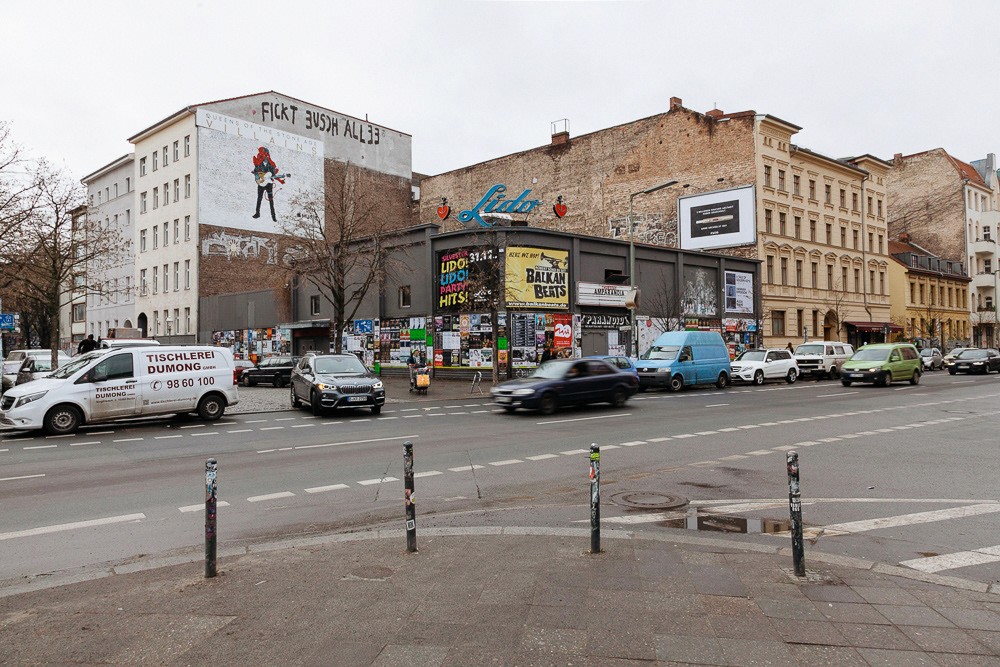
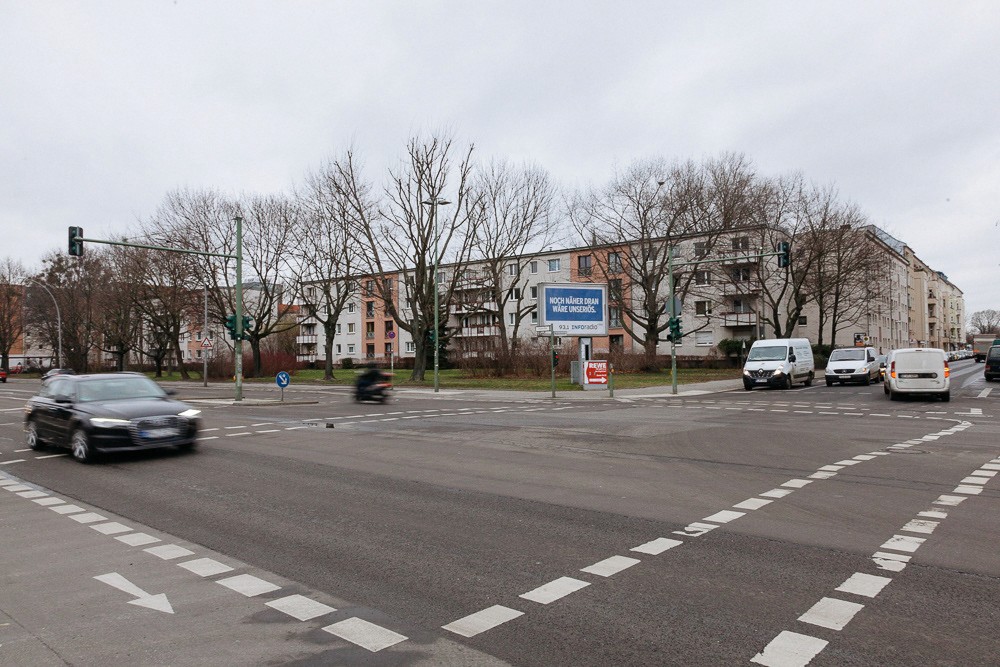
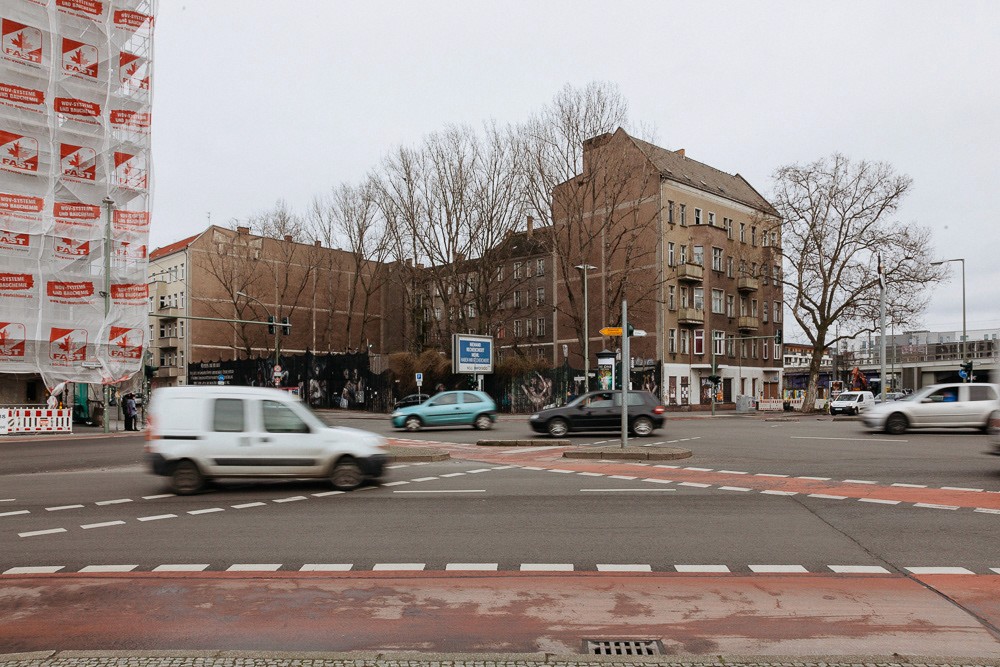
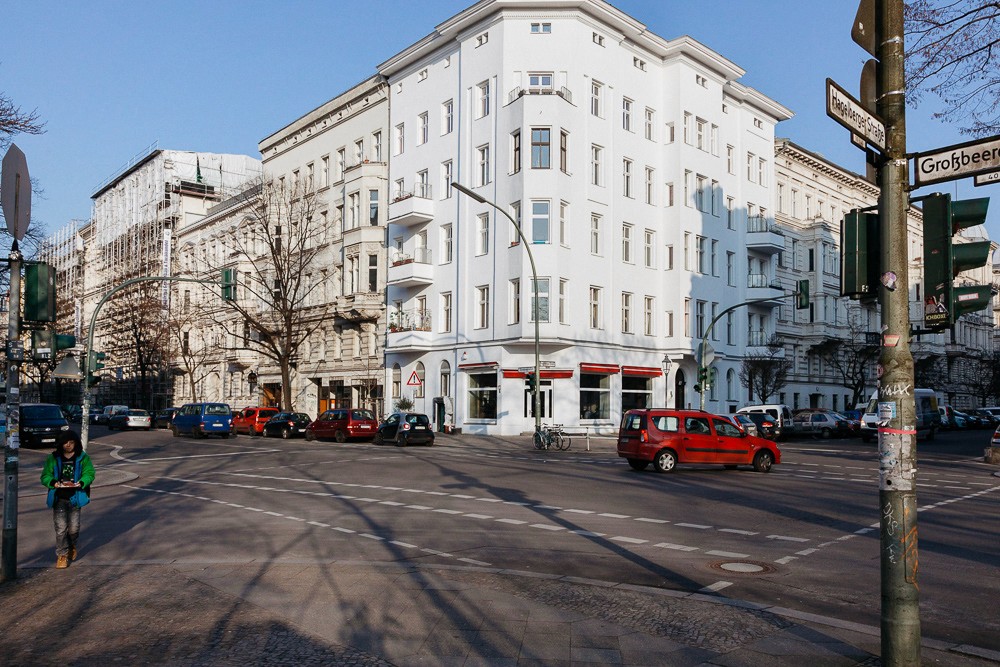
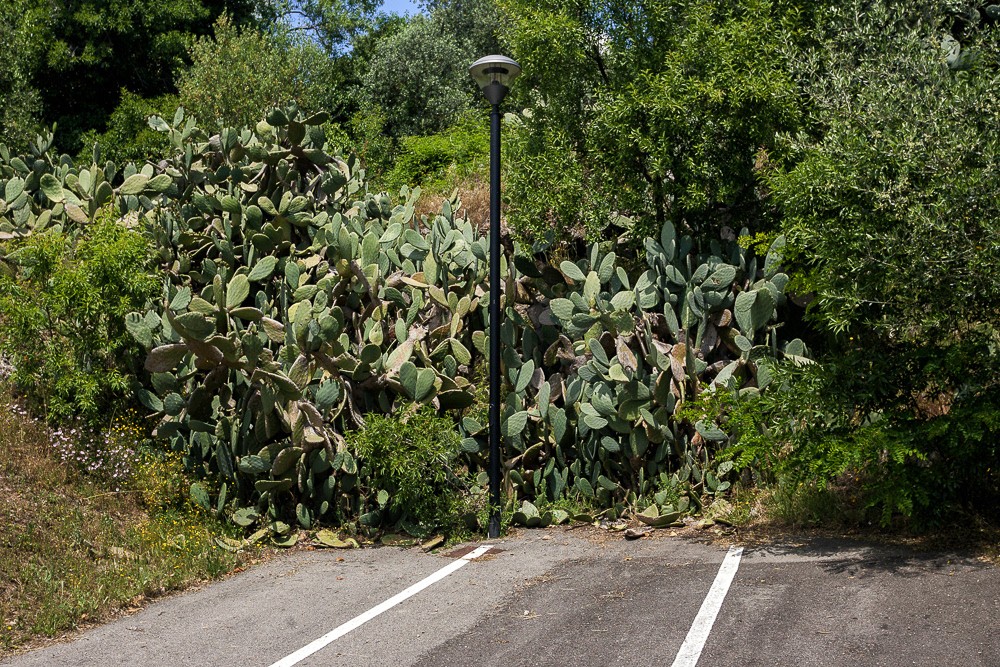
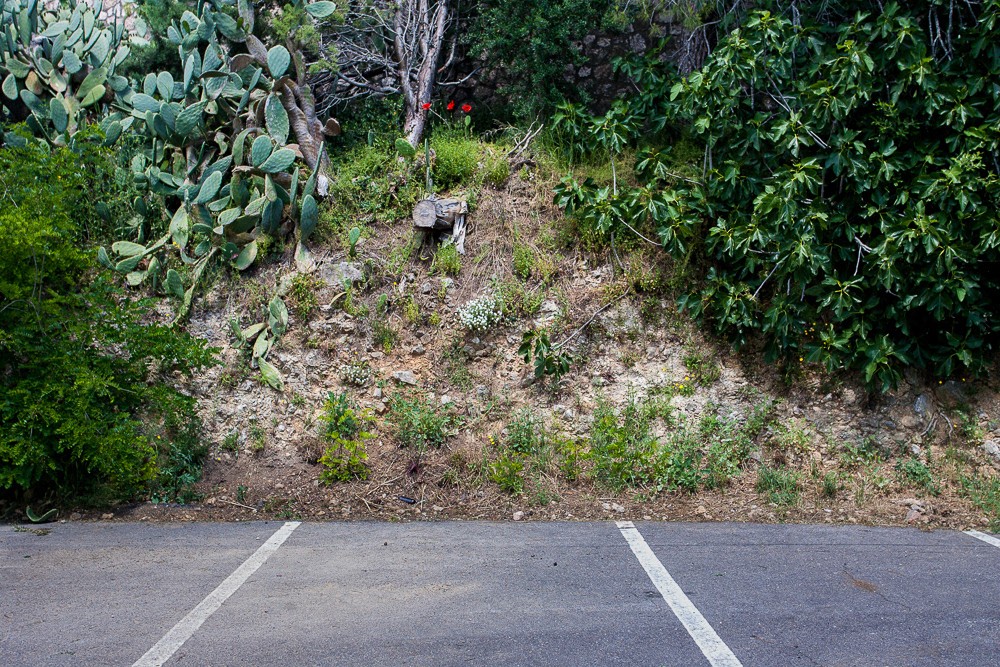
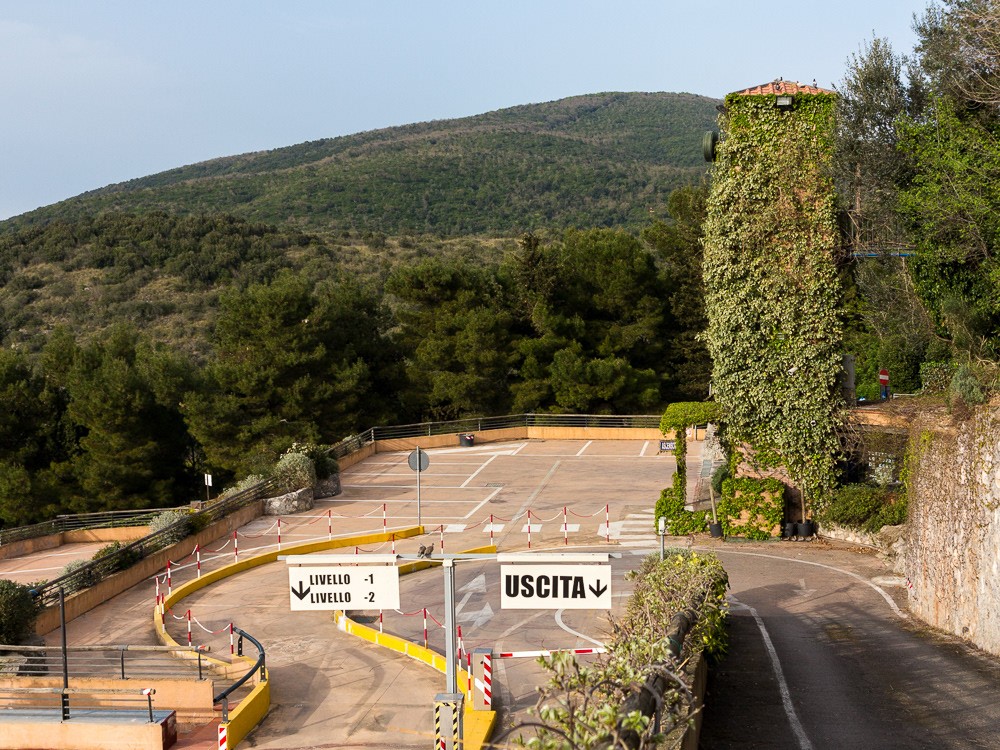
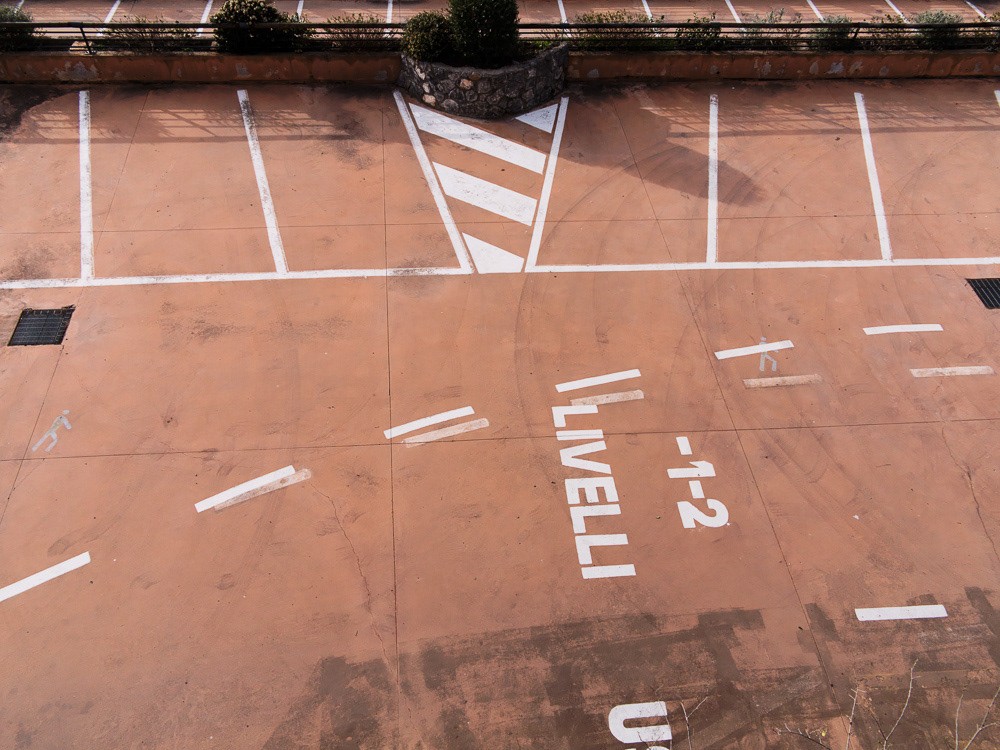
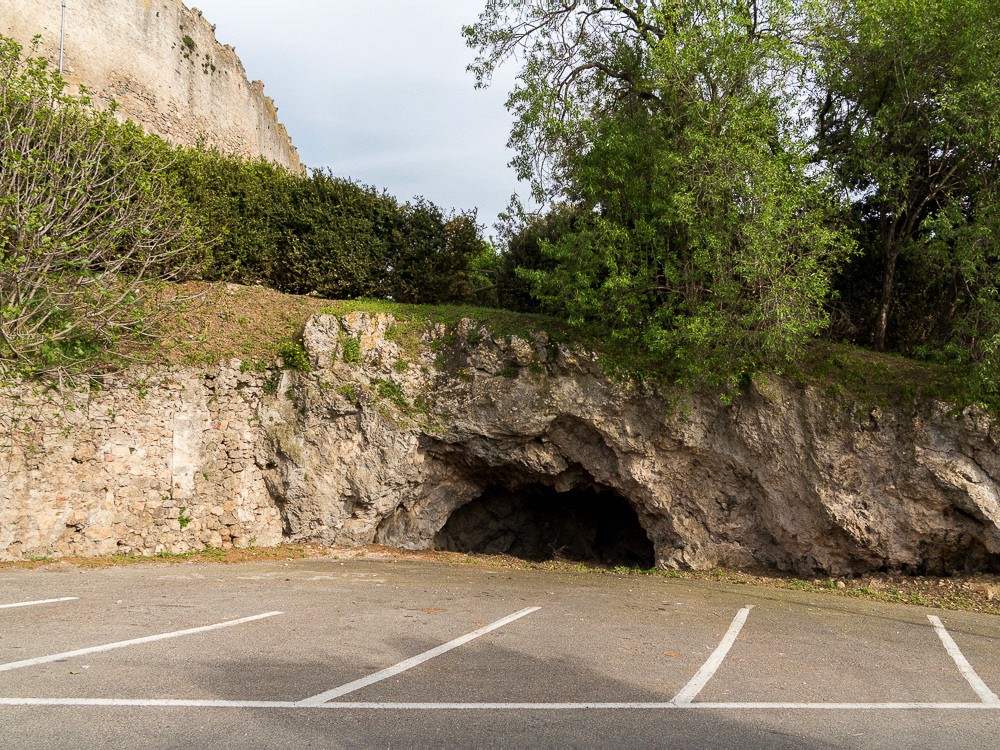
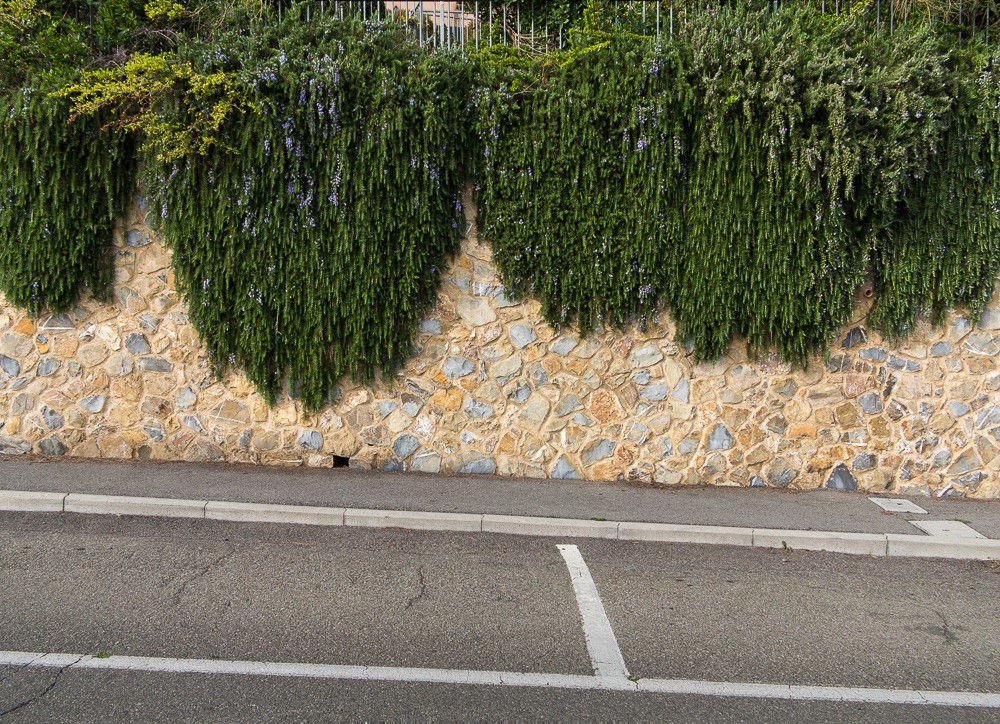
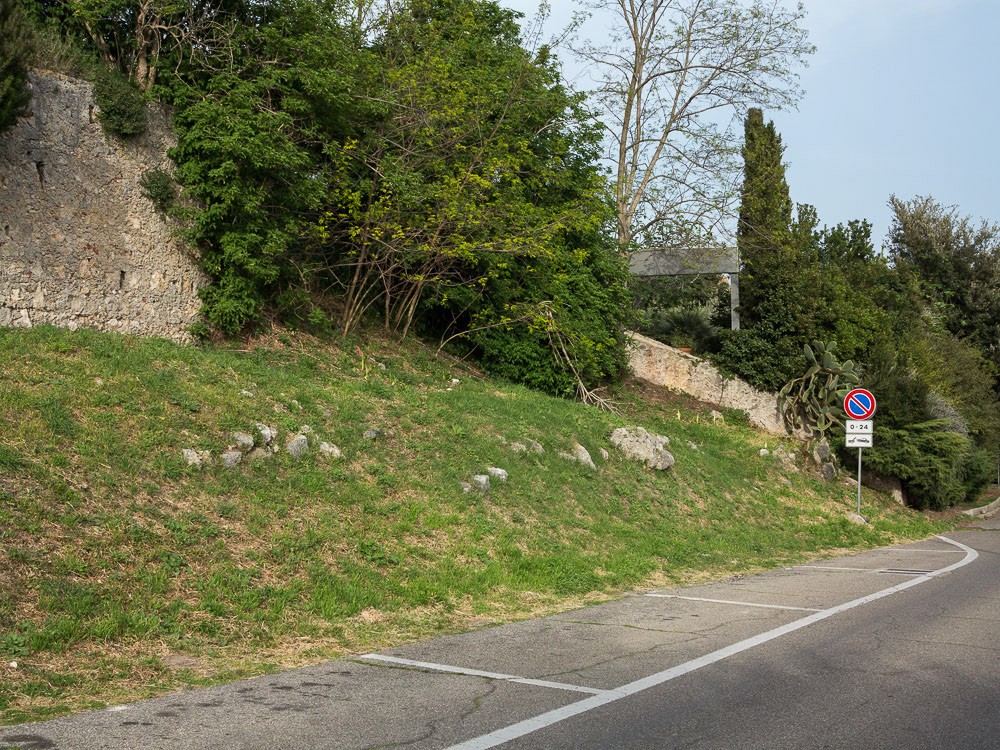
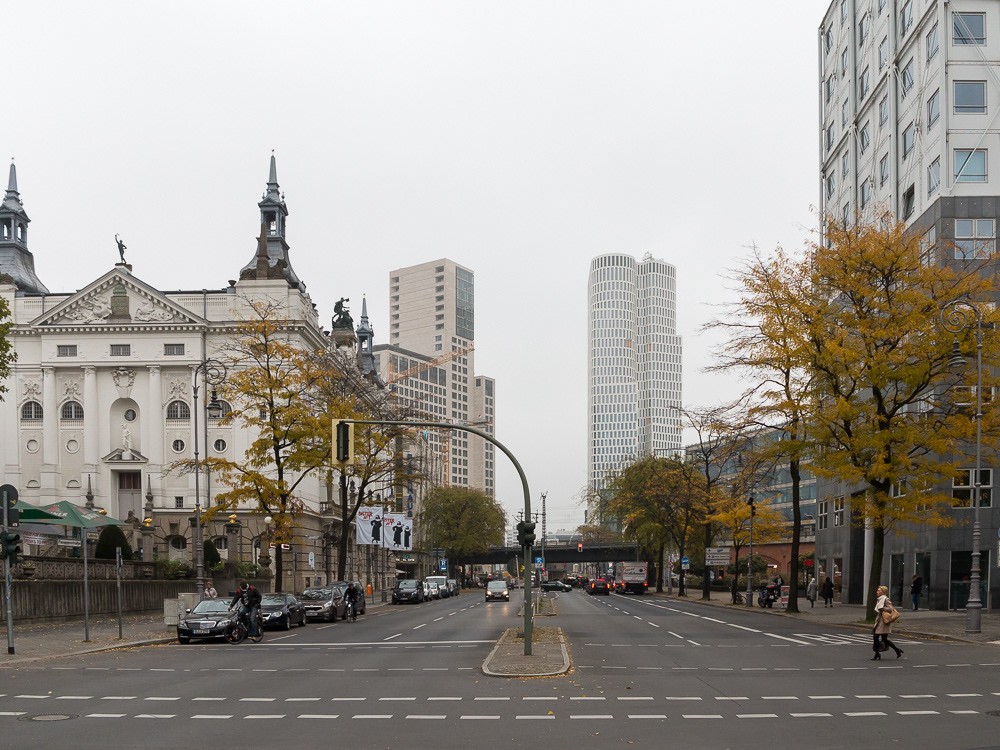
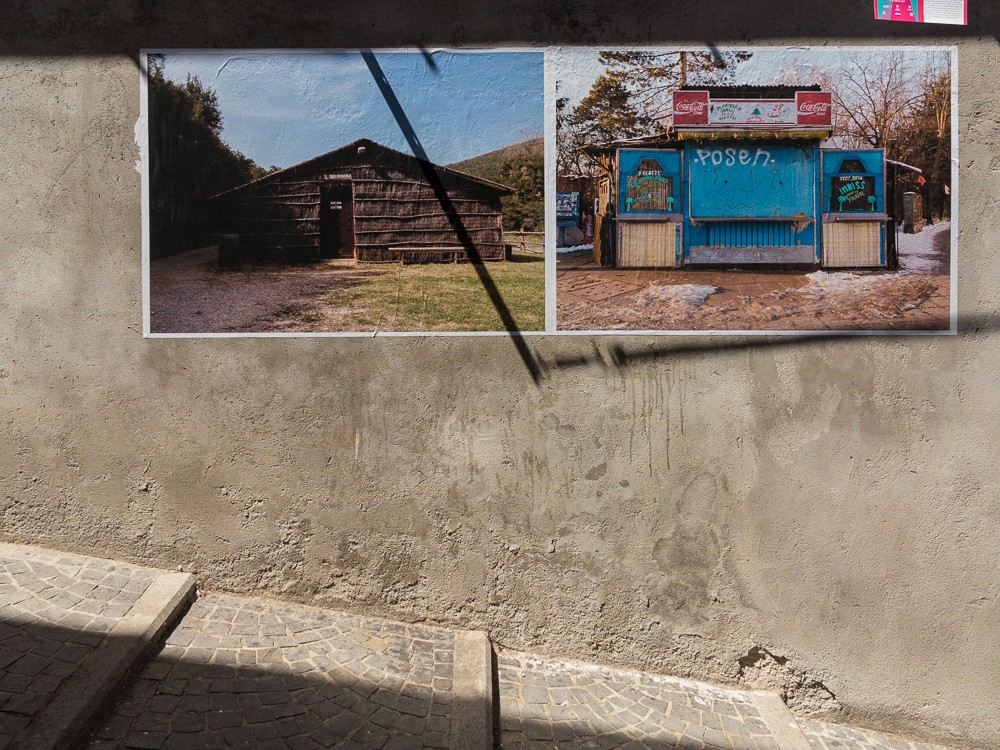
This project stems from a study of road intersections and parking spaces — fundamental features of contemporary society that are rarely the subject of contemplative observation. These functional places are designed for movement and stopping, and they reveal anthropological, architectural, and social stratification. The intersection is a space for pure transit, crossed without the possibility of permanence. The car park is its antithesis: a temporary shelter and a suspension of movement. Although configured as a 'non-place', its strong static quality allows for more extended observation. The project focuses on what usually remains invisible within these everyday anthropocentric spaces. Photography is used as a tool to investigate human dynamics in relation to the built environment, interpersonal relationships mediated by means of transport and architecture as a device for fostering relationships.
This research is based on the experience of two contrasting places: a small provincial town and a large European capital such as Berlin. In tourist contexts in particular, car parks take on a central function during the high season, only to be transformed into empty yet intensely present spaces at the end of the summer.
The images deliberately forego the 'decisive moment'. These often empty spaces convey a continuous and open time in which the past and the future coexist in the same place.