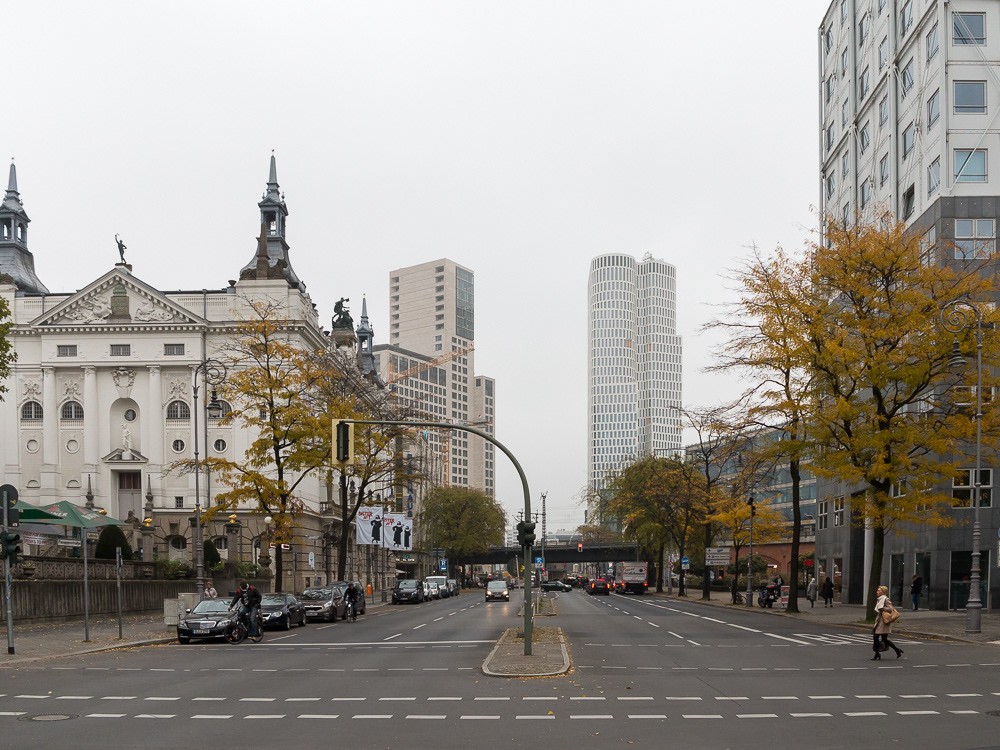
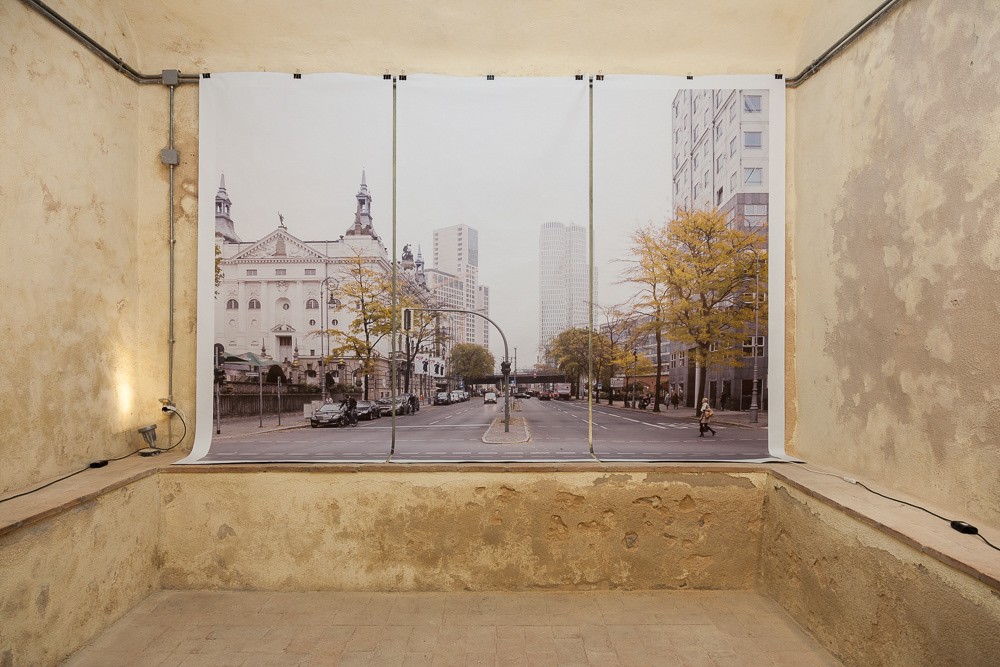
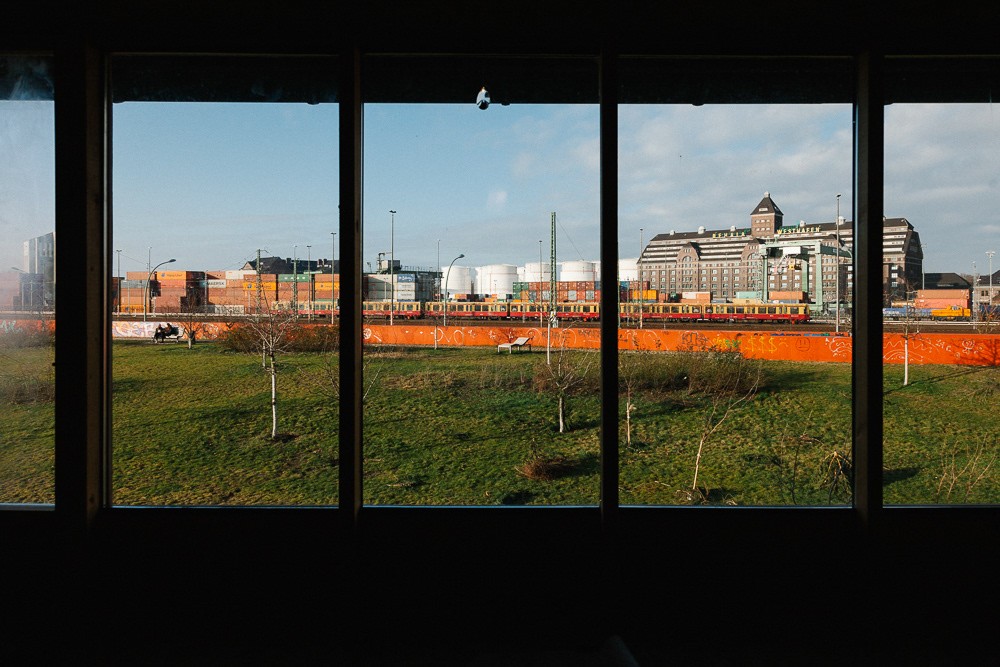
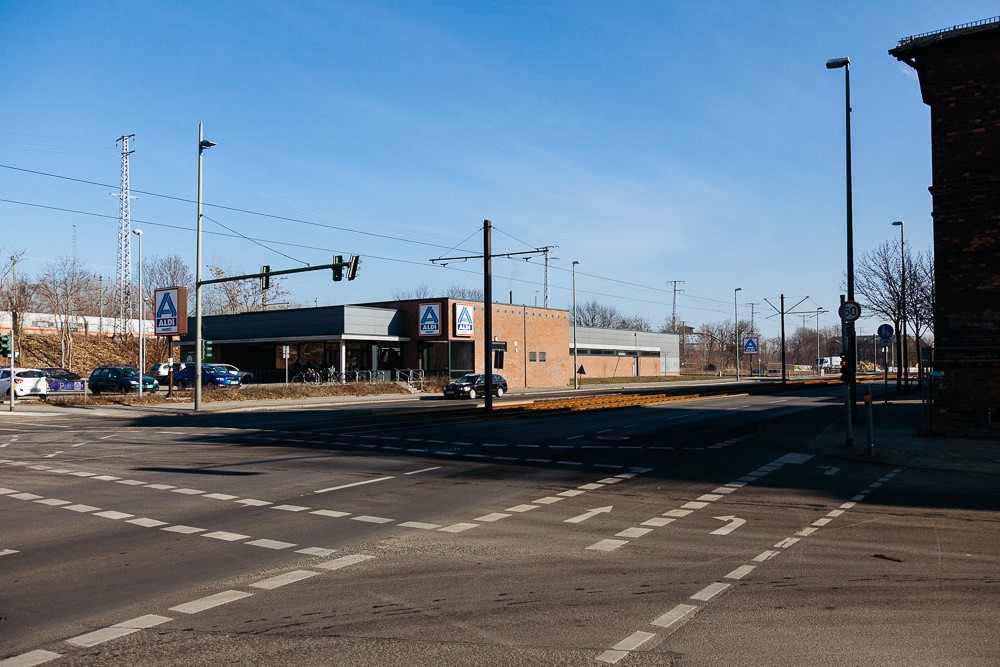
The landscape is what meets the eye from a particular vantage point. In this work, the viewpoint is deliberately straightforward and direct. There is no search for immediate amazement, but rather a measured adherence to what is visible. The images arise from the tension between Luigi Ghirri's sensitivity and the Becher school's typological rigour. While Dimitri Angelini's work can be defined as landscape photography, it also extends into anthropological and social dimensions. Places are not chosen for their iconic or monumental value, nor for their codified beauty, but for their ordinary presence — everyday spaces that provide opportunities for observation.
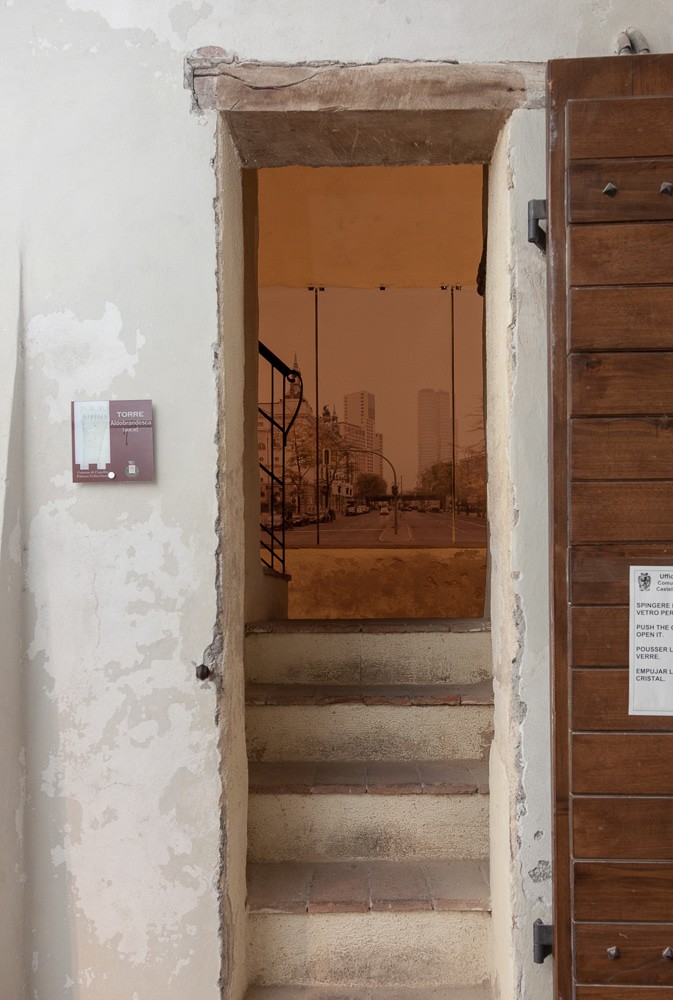
A silent wonder emerges from the urban scenes, linked to normality. Rather than searching for the 'decisive moment', attention is paid to its passing and duration. The images act as thresholds, inviting viewers to enter the scenes and imagine past stories and potential futures, prompting reflection on the future of these spaces and the transformations of which humans are both creators and inhabitants.
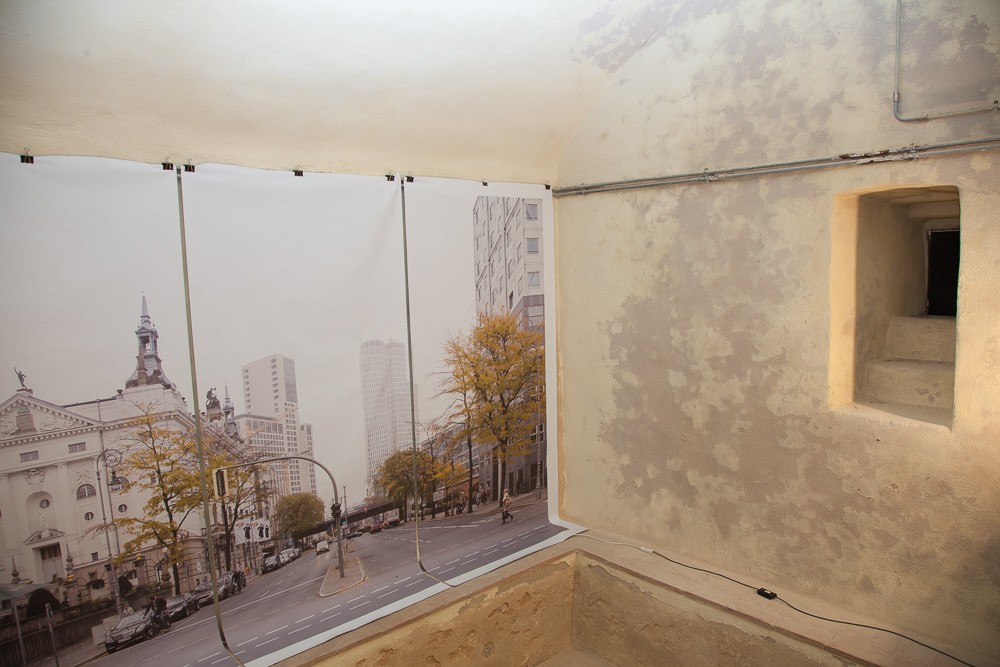
In this context, photography becomes an investigation into the relationship between humans and the spaces they create. The large-format works emphasise this relationship, prompting reflection on visual perception: the two-dimensional nature of the image suggests mental depth rather than optical depth, encouraging a slow, immersive gaze.