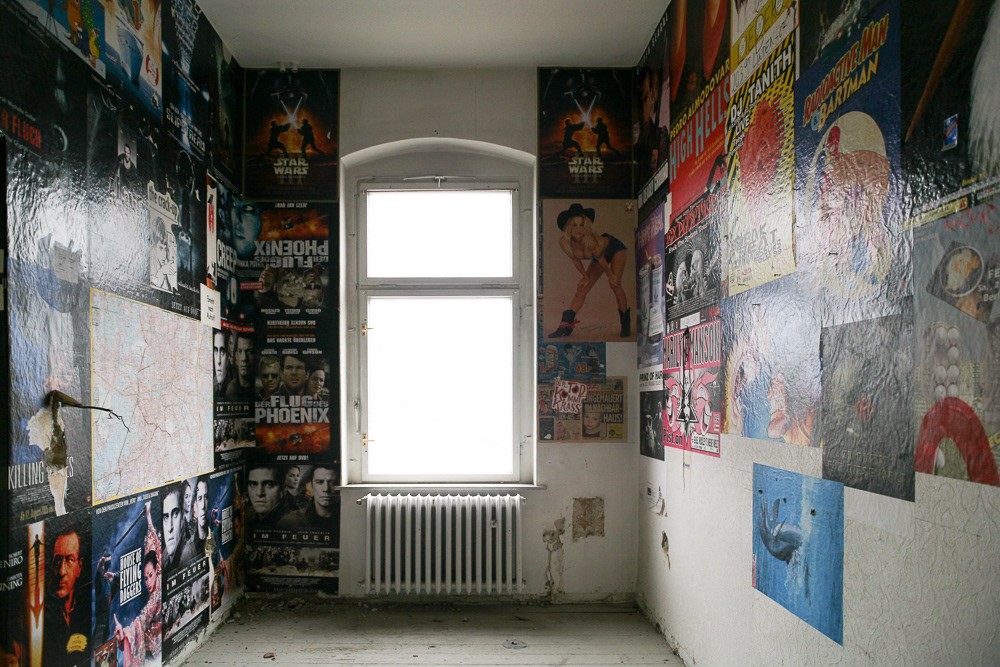
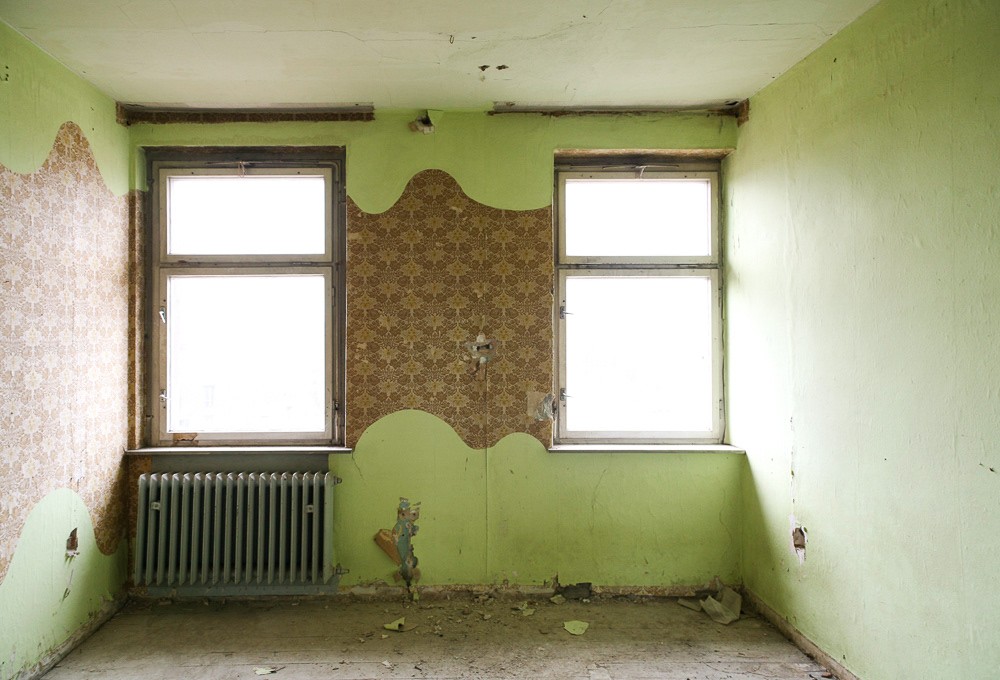
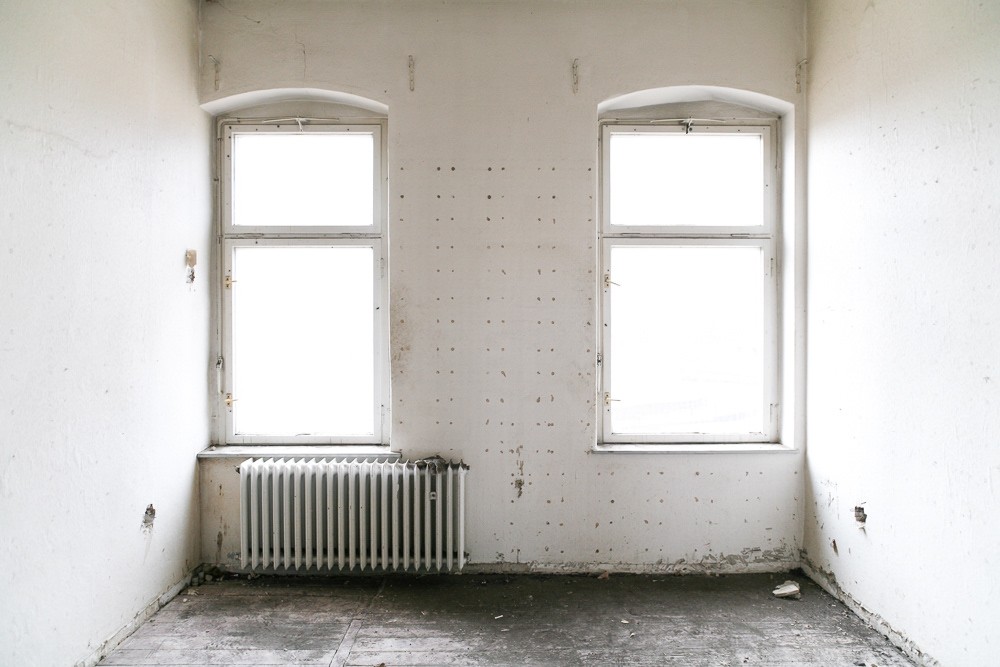
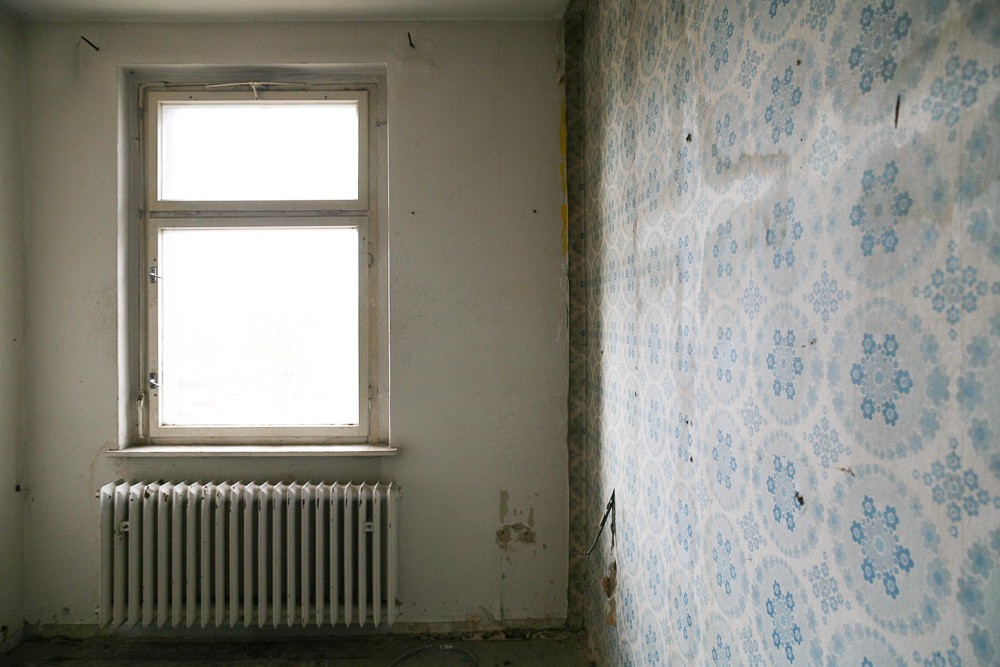
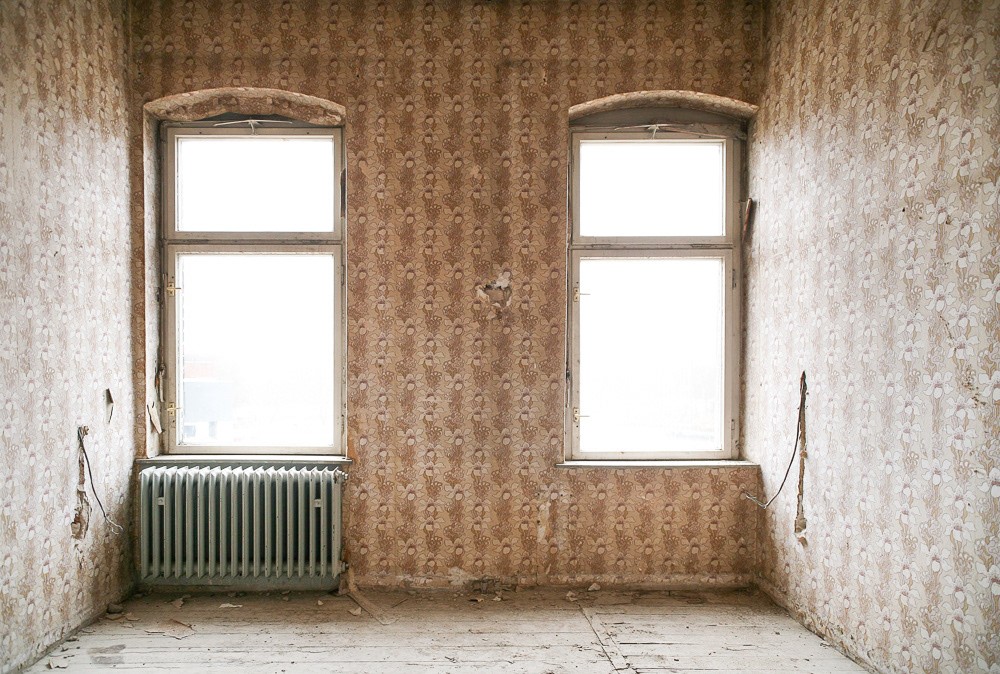
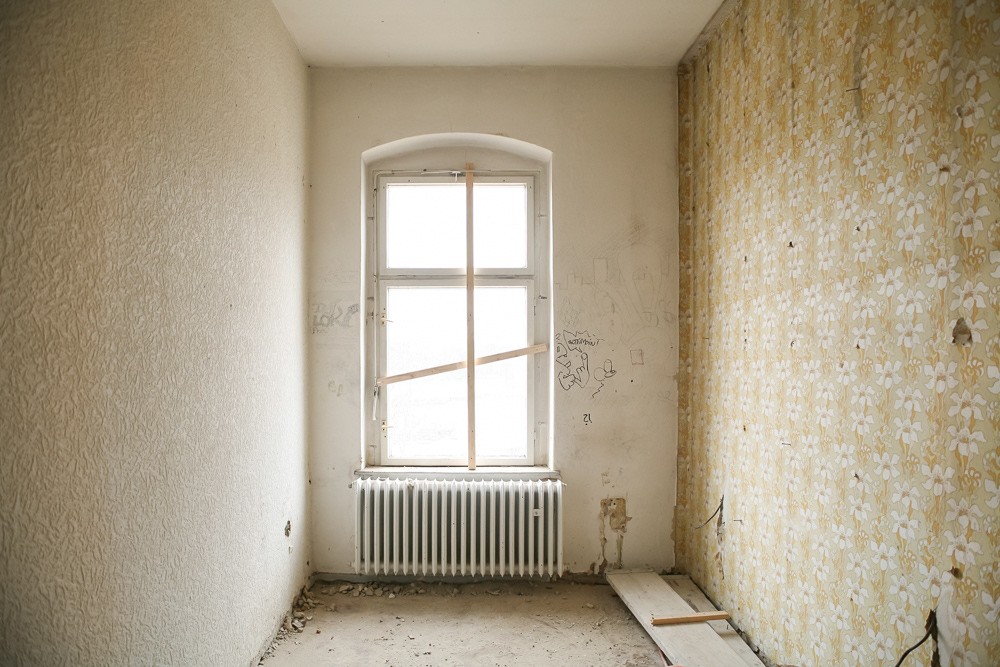
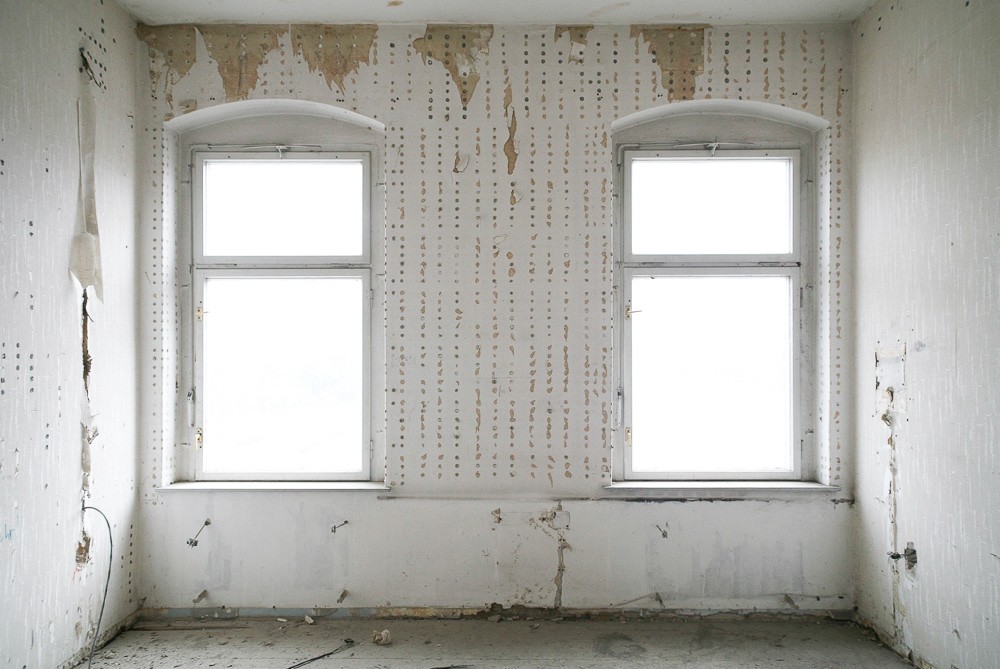
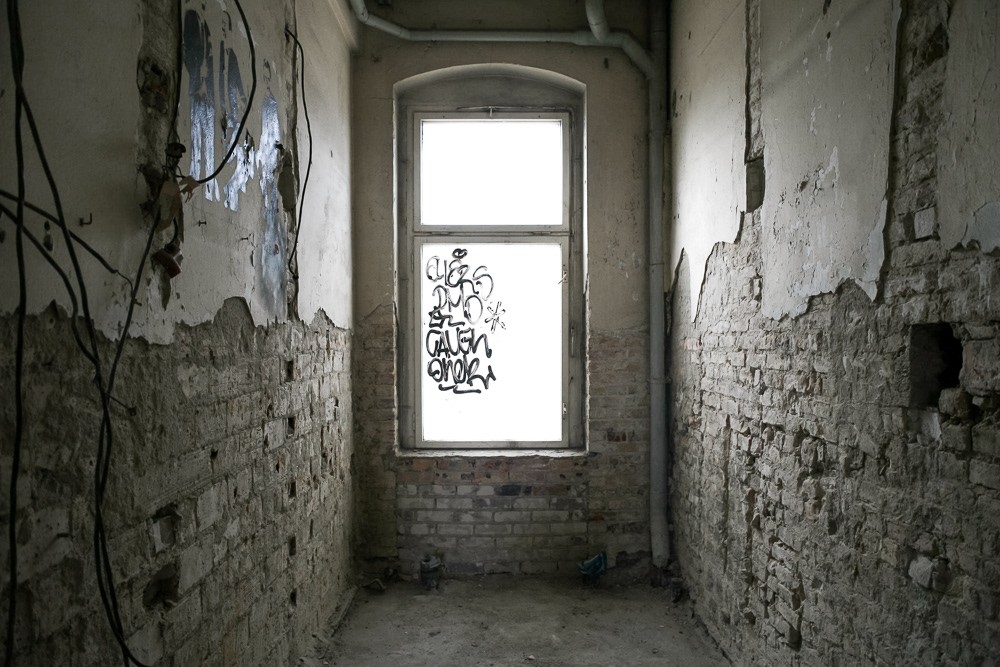
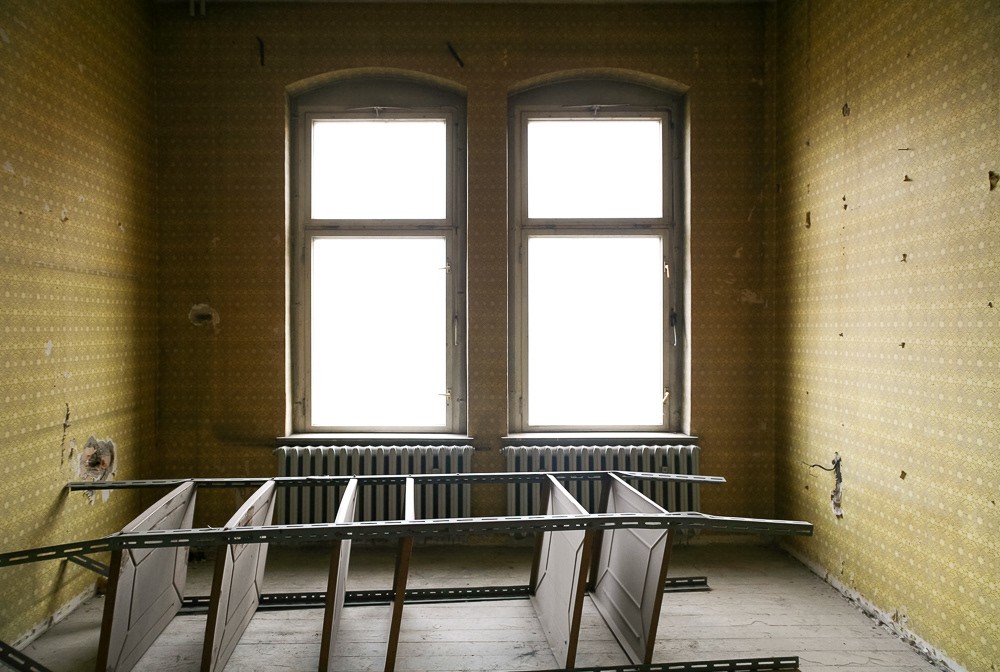
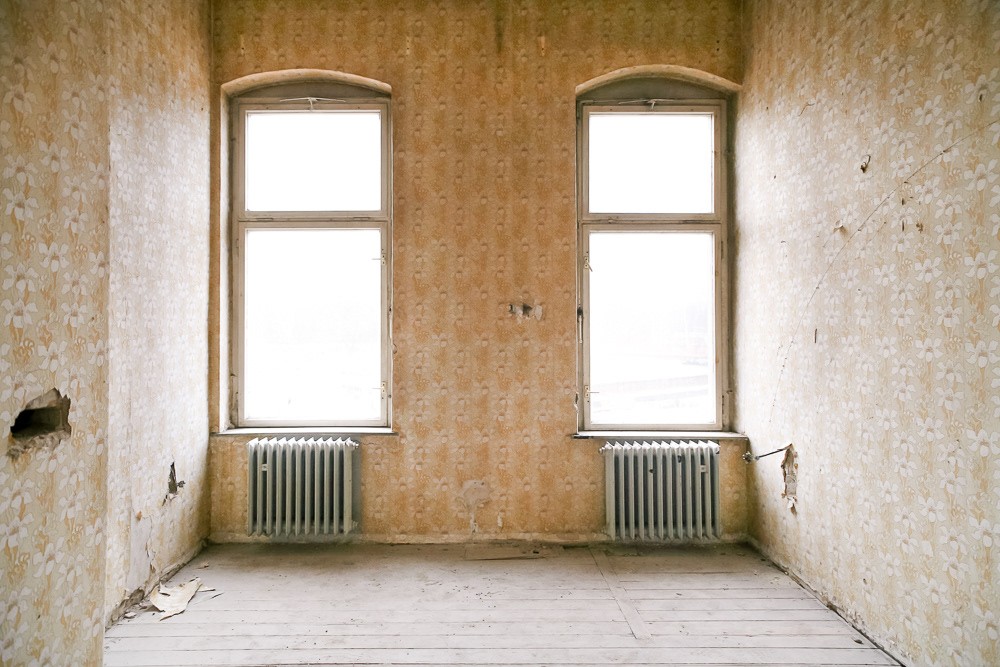
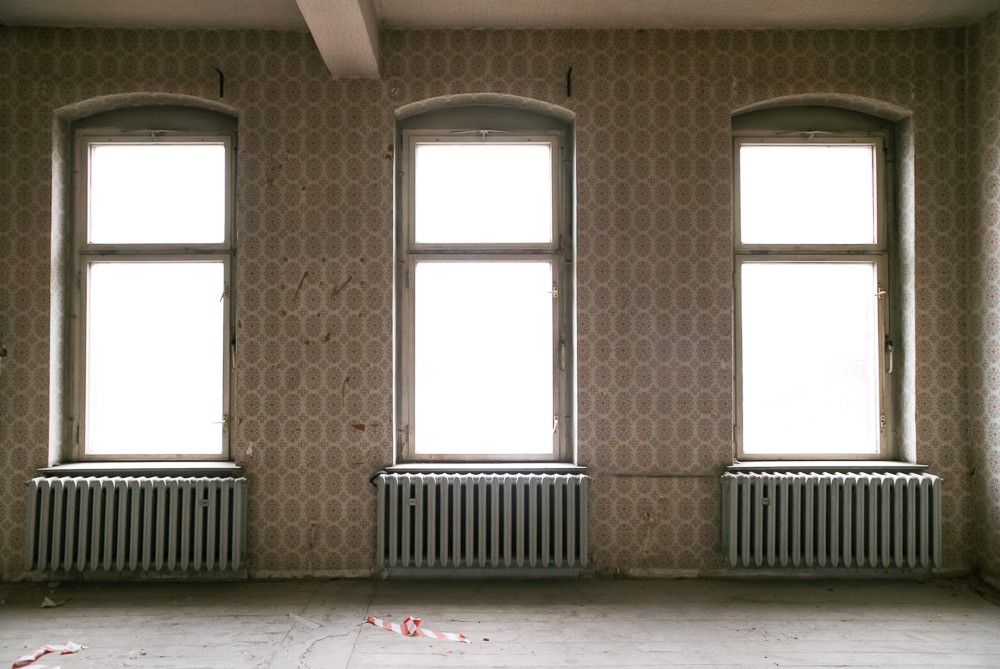
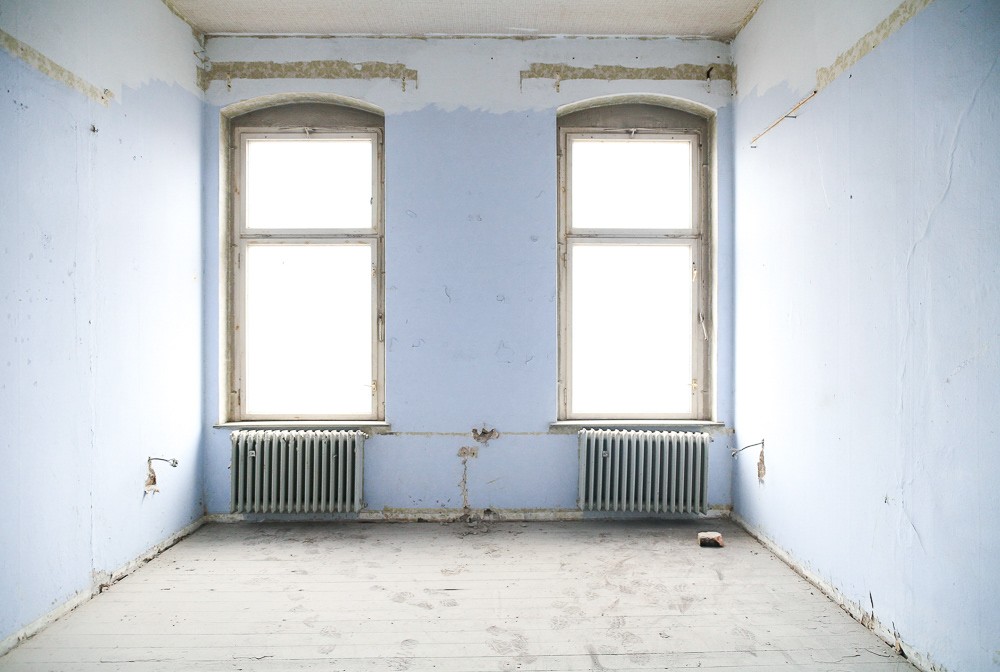
Like a city remembering itself, the series of quiet windows breathes: each pane a small, patient witness, framing a private ruin and folding it into a larger elegy. Thresholds become eyes that never blink, catching light on peeling paint, wallpaper resembling faded maps and brickwork laid bare, so that the material world reads like a ledger of time.
The repeated frames compose a slow, insistently rhythmic chorus, revealing subtle differences in sameness, a cadence of colour, scar and shadow. Without sermon or shout, the work highlights the commerce that transforms homes into assets and people into footnotes. Its power lies in the quiet absence of empty rooms that speak the language of what has been left behind, prompting the question of who is erased when a city remakes itself.